
As an Amazon Associate I earn from qualifying purchases. This post contains affiliate links, and if you decide to purchase anything from suggested links or companies, I may receive a commission. Recommended products are either things I love using or think would be helpful for you. Making your purchase using these affiliate links helps keep this site running, so thank you kindly!
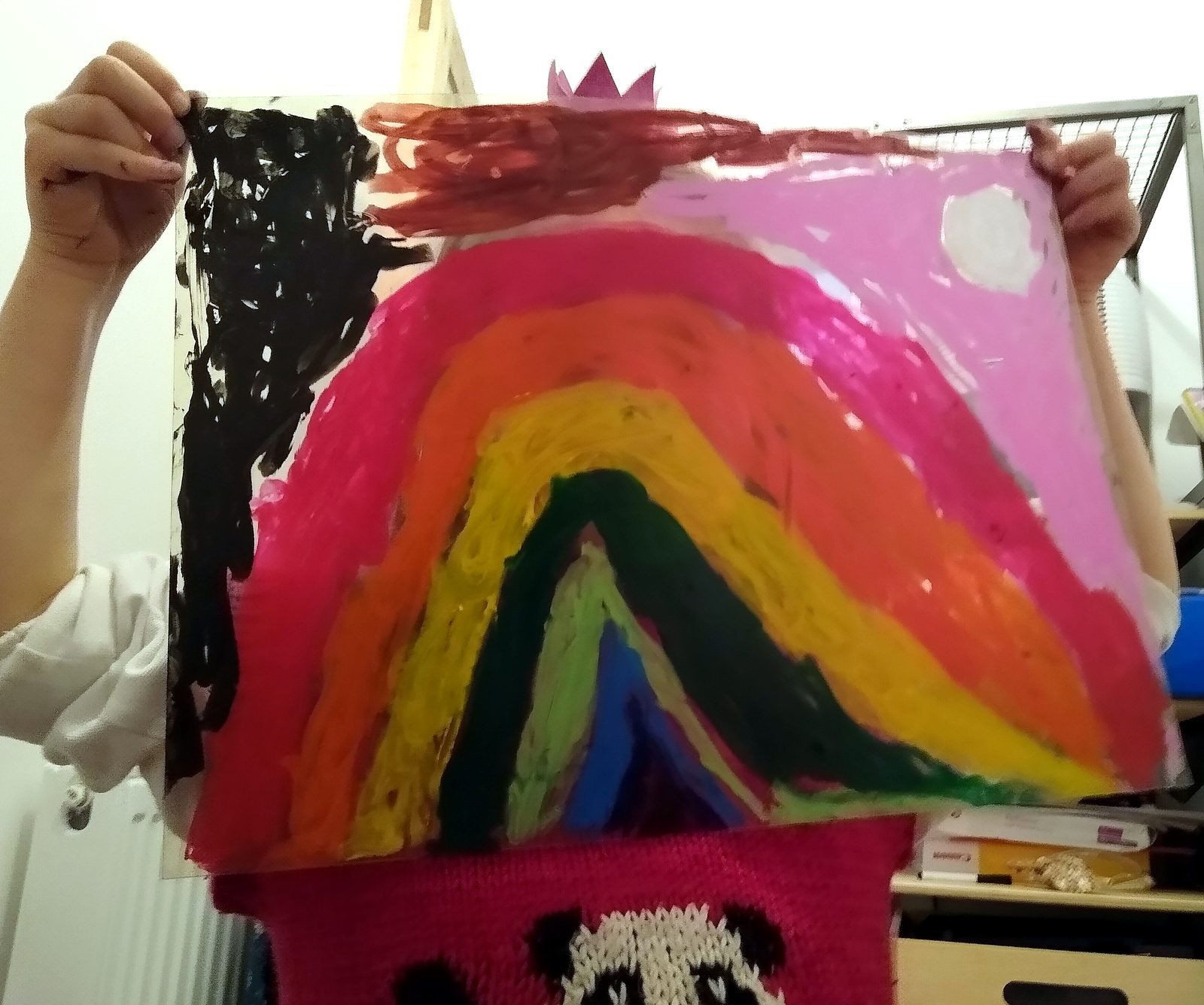
It’s almost December, and I have been thinking about Christmas gifts again. Not the pile of plastic that is exciting for a morning and then forgotten, but the kind of gift that becomes part of a child’s real life. A tool they can grow into. A material they can return to again and again. Something that builds a skill, or invites the whole family into a shared experience, rather than just adding more stuff to the house.
Those of you who have been reading along will know this is a subject close to my heart. I wrote the Ultimate List of Minimalist, Eco-friendly Gifts for Kids and later 12 Eco-friendly, Minimalist, Meaningful Children’s Gifts That Last. I still believe what I wrote in The Only Toy a Child Needs: children do not actually NEED a mountain of toys. What they need is time, good materials, and the chance to make things themselves.
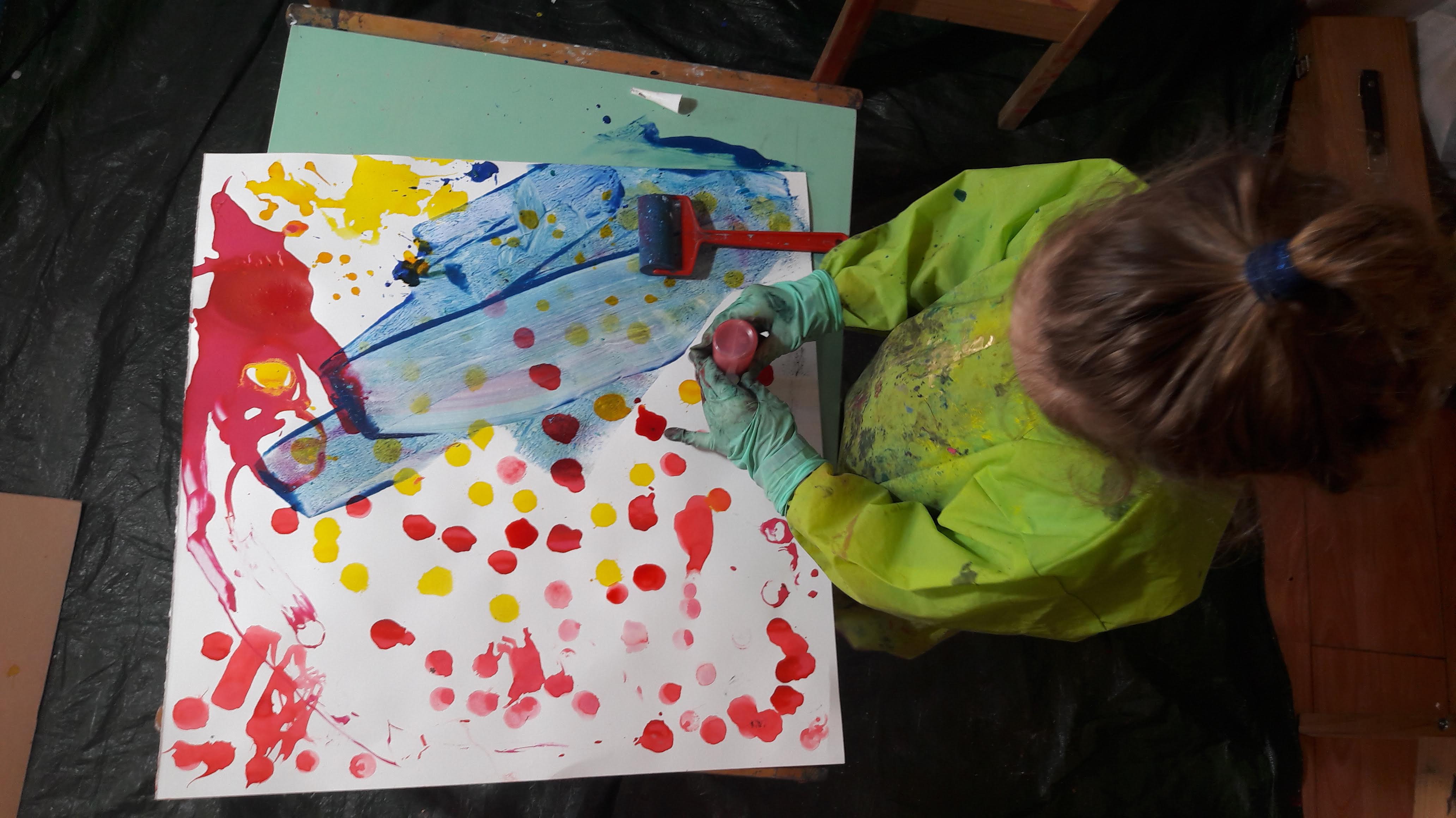
Anyway, thinking about all of this, I wanted a fresh guide for Christmas 2026. Some of these gifts are an investment. A few are genuinely big, the sort of present a grandparent might give, or a family might choose instead of five smaller things. They are not cheap, but the right one can last for years and be used by more than one child. My daughter and I have tested many of them ourselves, living with magnetic tiles, ordinary LEGO bricks, a wooden dollhouse, and a lot of making at the table over the years. The rest were chosen carefully, using the same criteria I use as an art teacher and as a mom: good materials, a real skill, and play that can last. Please still check the live listing and the delivery date before you order.
If you want something under the tree, it is worth ordering soon and checking the delivery date, especially for the bigger gifts.
HOW I CHOSE THESE GIFTS
- Does it invite open-ended play or making, rather than one fixed use?
- Does it help a child build a real skill they can keep growing?
- Will it last for years, and can it be used again and again?
- Is it largely screen-free, or does it take them outdoors and into their own hands?
- Is it well made, and, when possible, made from materials I would be happy to have in our home?
- Can the family use it together, so the gift is also time?
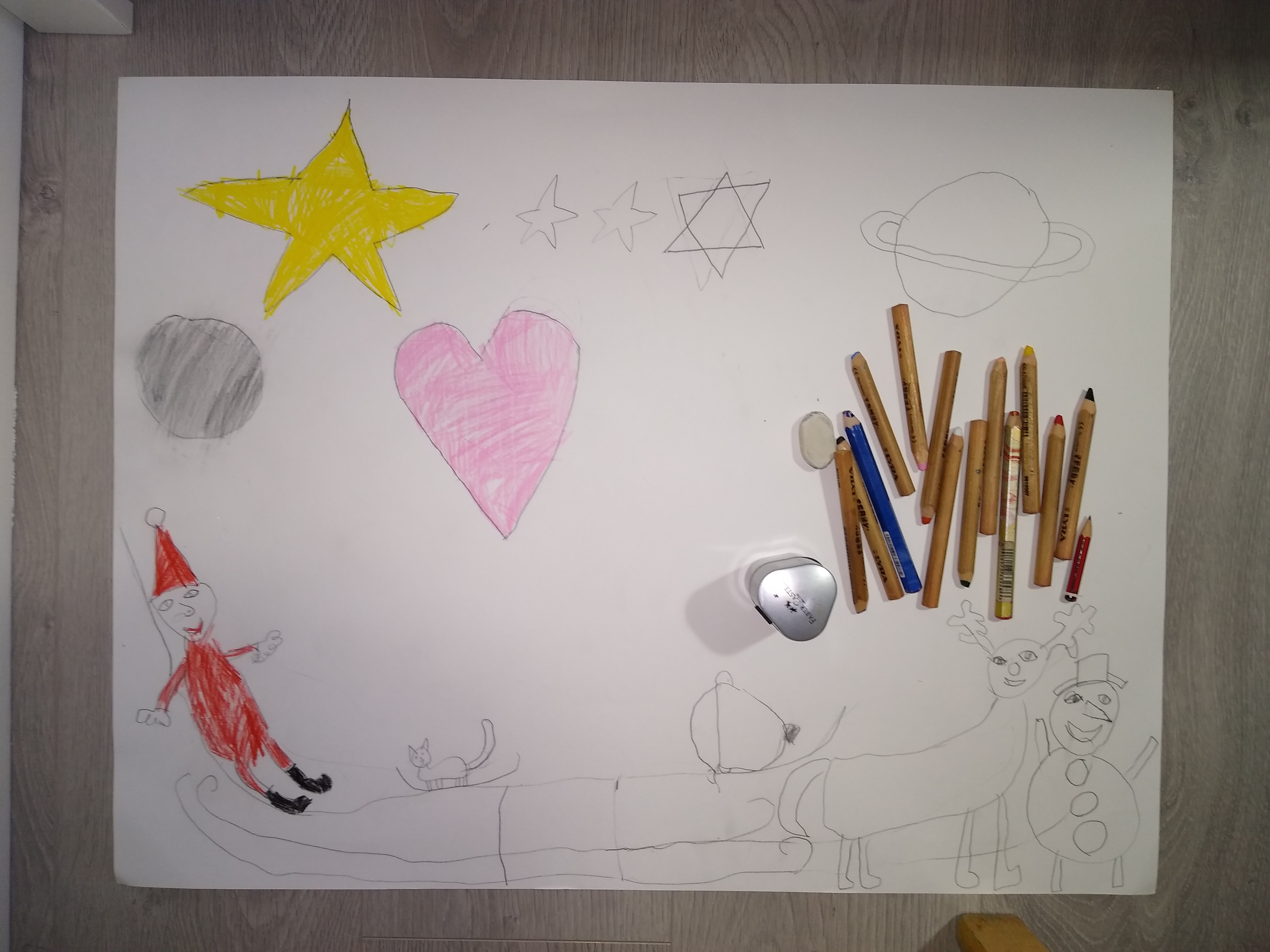
THE BIG GIFTS THAT ARE REALLY WORTH IT
These are the “one generous present” gifts. If you are going to spend more, I would rather it went toward something solid than toward a stack of small novelties.
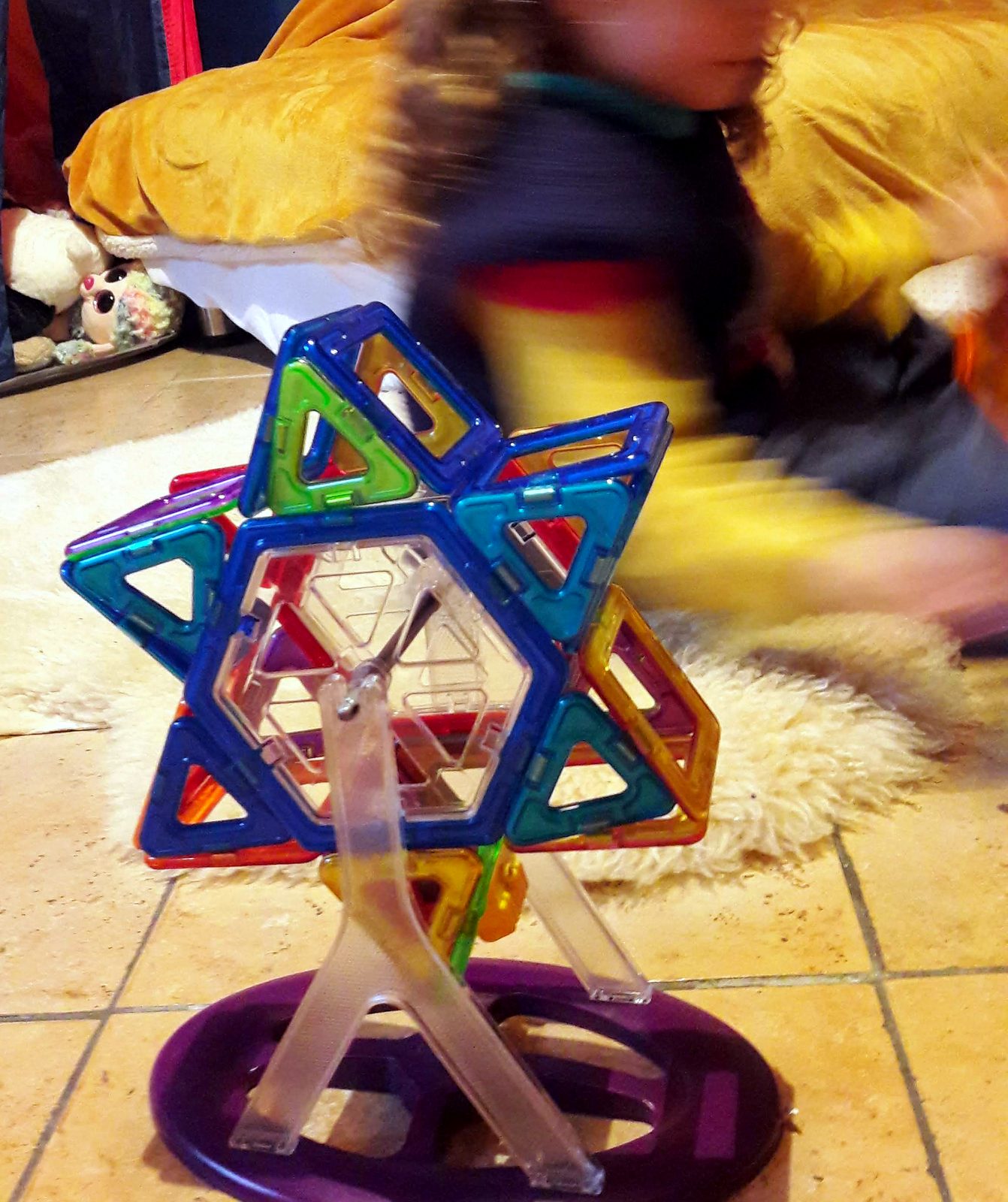
A generous set of Magformers
Magnetic building tiles are one of those rare toys that children of many ages will sit down to use together. You start with a flat pattern, then pull it up into a house, a tower, a ball, a little city. The Magformers Rainbow 62-Piece Set is a classic starting point, with squares, triangles and pentagons, and it works with other Magformers pieces later. It is open-ended, it grows with the child, and it is the kind of gift that comes back out on a rainy afternoon without anyone having to explain the rules. Do check the live listing and the delivery date before you order, as popular building sets can sell out close to Christmas.
A big box of ordinary LEGO bricks
I would rather give a large, plain collection of bricks than a set that can only become one licensed character. The LEGO Classic Large Creative Brick Box is full of mixed colours, windows, doors, wheels and baseplates, and the box itself becomes storage. There is no single “right” thing to build. That is the point. Children invent their own play, take it apart, and begin again. It is compatible with the rest of the LEGO world, so it keeps being useful for years.
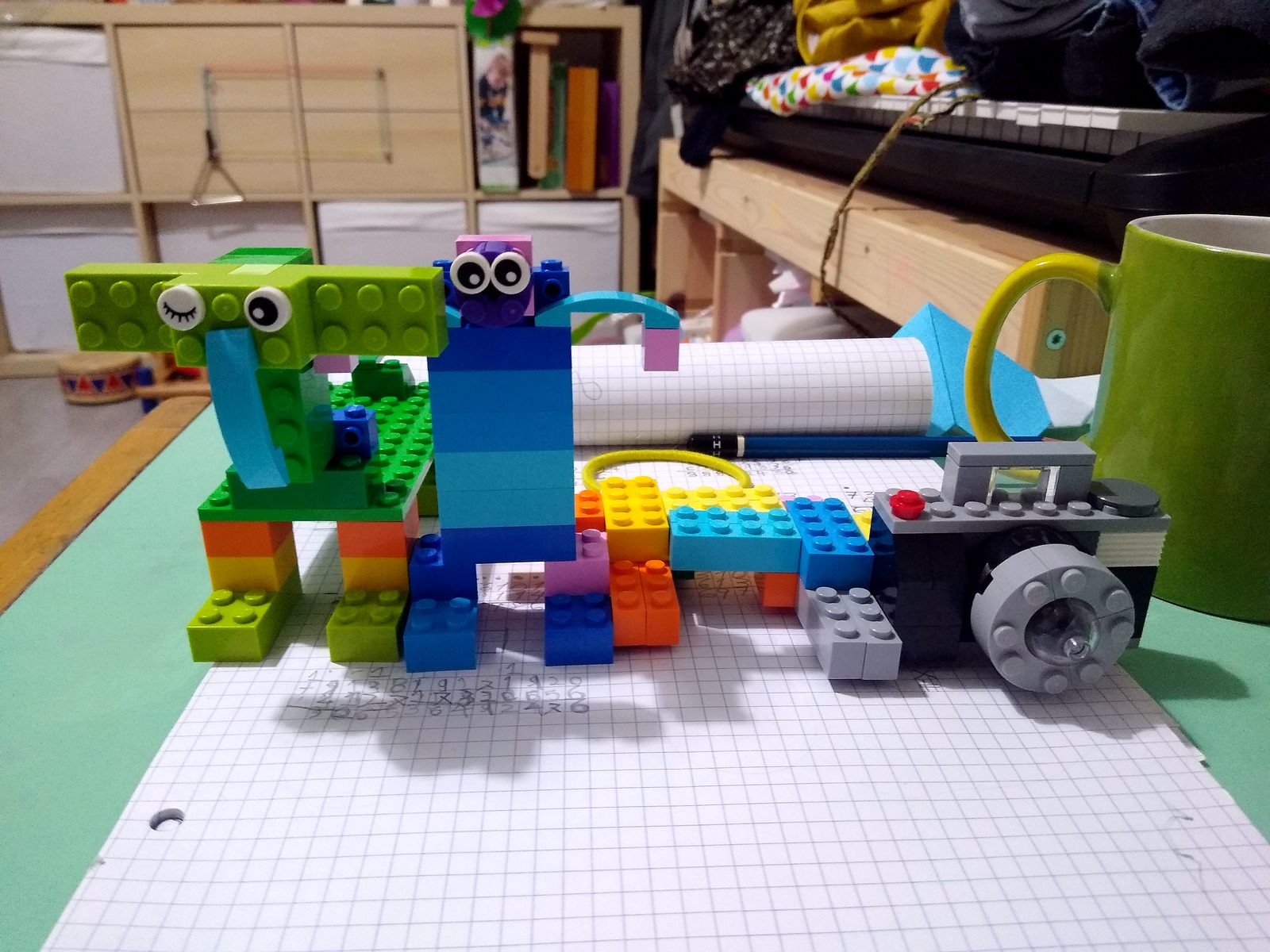
This is what that looks like in our house. My daughter will sit down with a pile of ordinary bricks and come back with a creature, a camera, a whole little scene. That kind of open-ended making is exactly why I would start with a generous box of plain bricks.
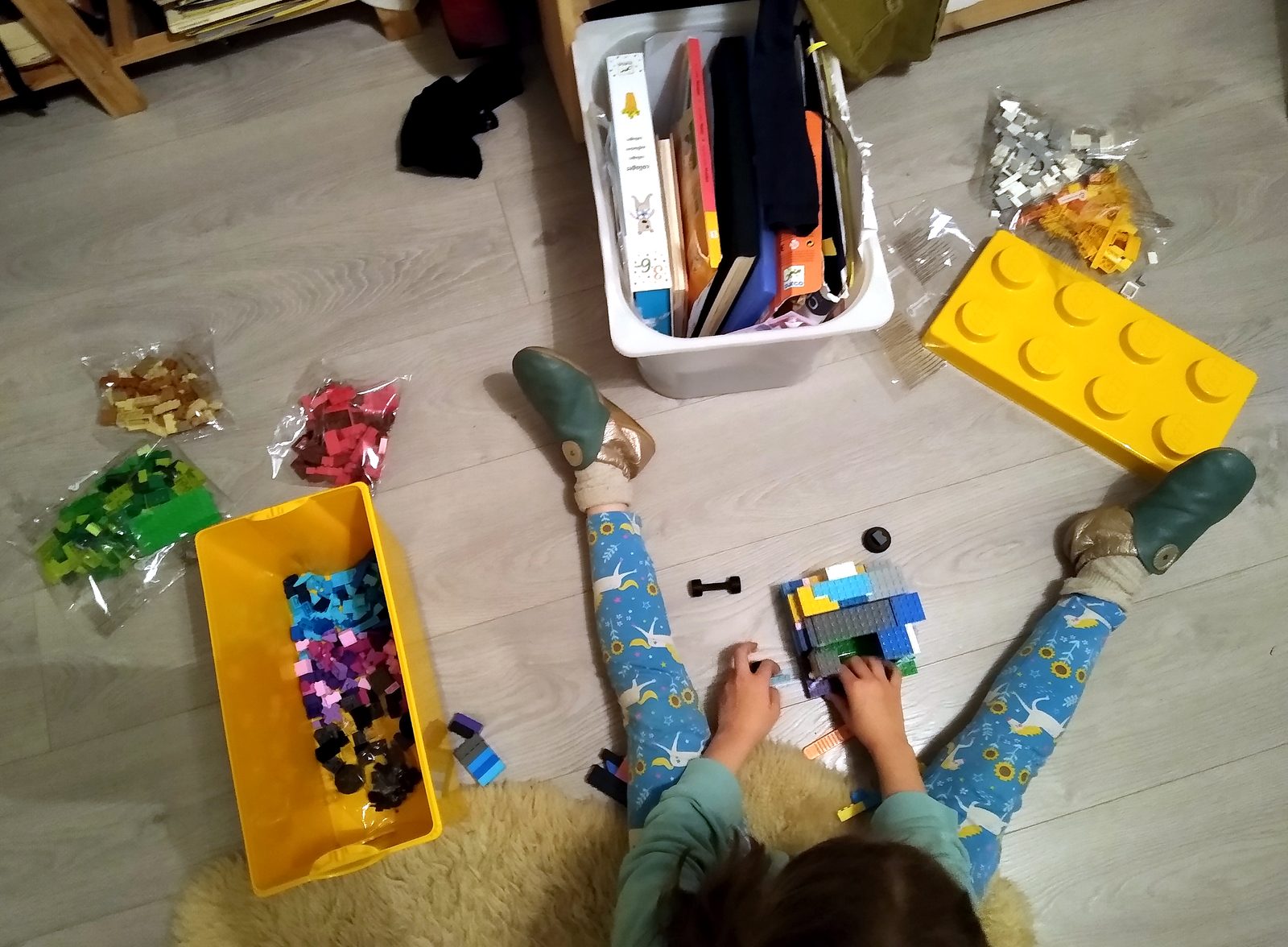
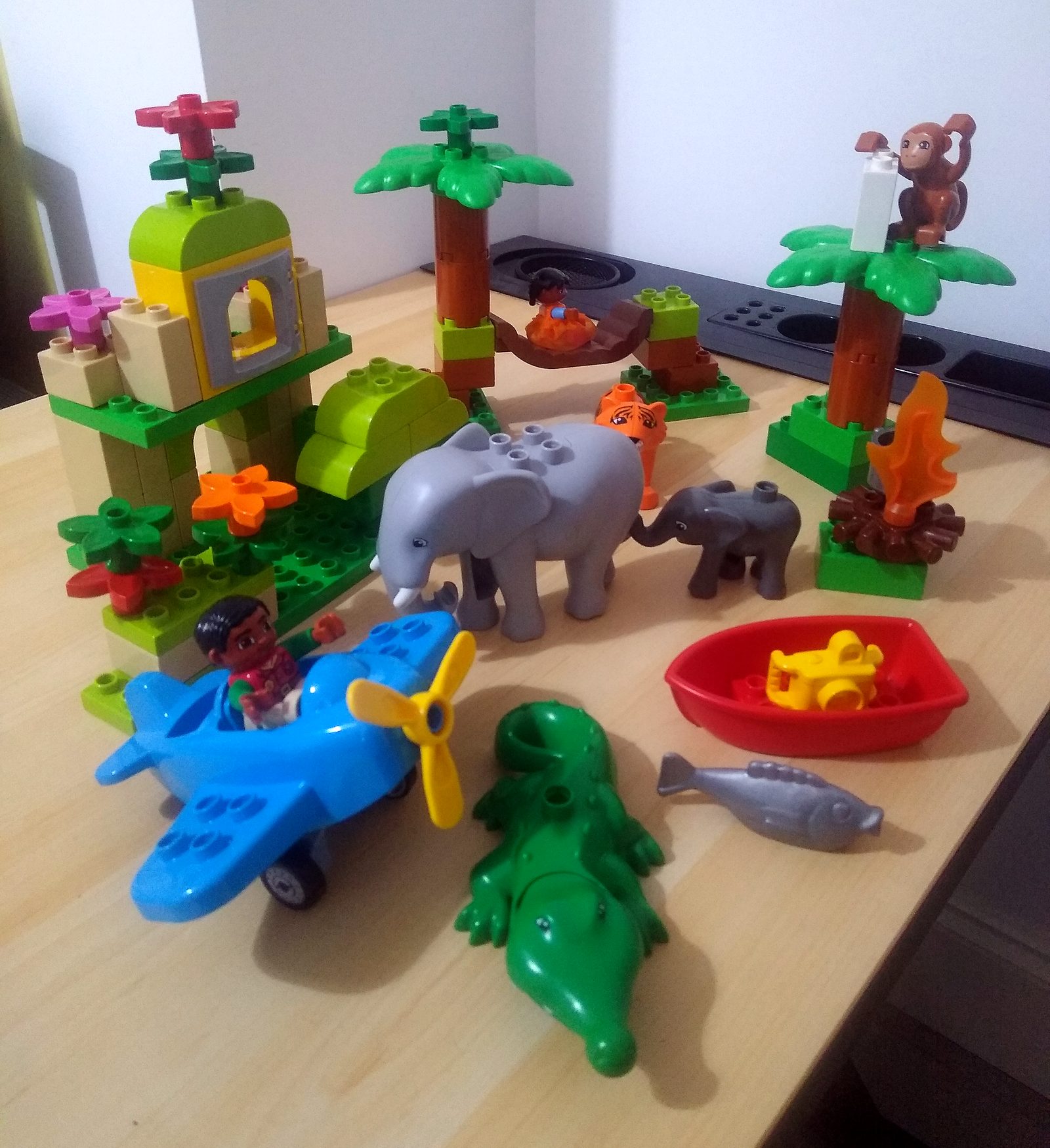
For younger children, or for mixed ages playing together, LEGO DUPLO has been just as well used here. The bigger bricks are easy for small hands, and they still invite real building: animals, vehicles, a little world on the table. You can add them later, or start there and grow into the smaller bricks when the child is ready.
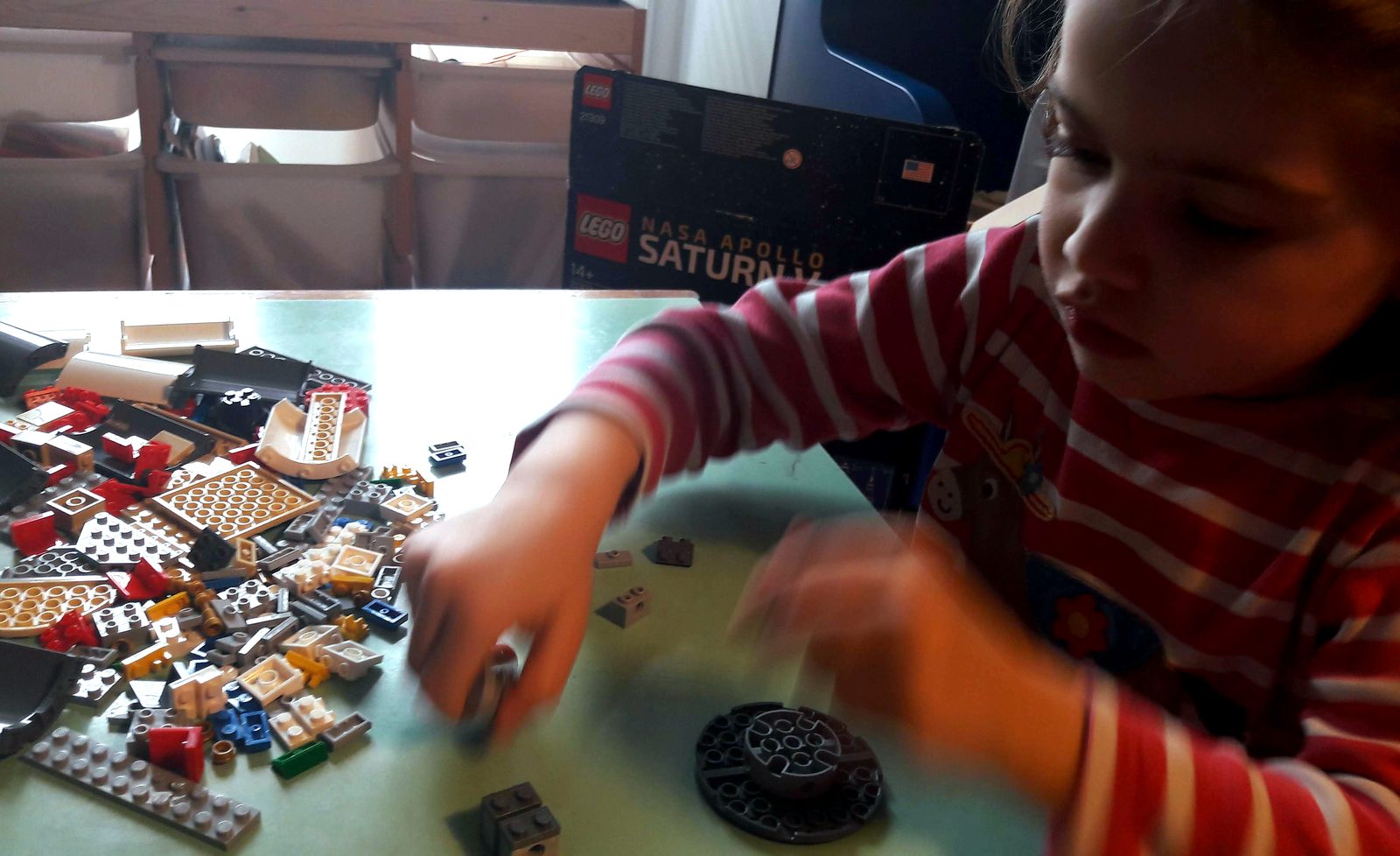
We have also sat down together with bigger, more ambitious builds, including the NASA Apollo Saturn V. It is a wonderful project for an older child, the sort of thing you work on side by side over several days, and I first wrote about this kit in my guide to educational space toys and gifts. Official listings come and go, though, and I would not chase a copy that has been marked up far beyond its usual price. A large, plain brick box will get far more everyday use.
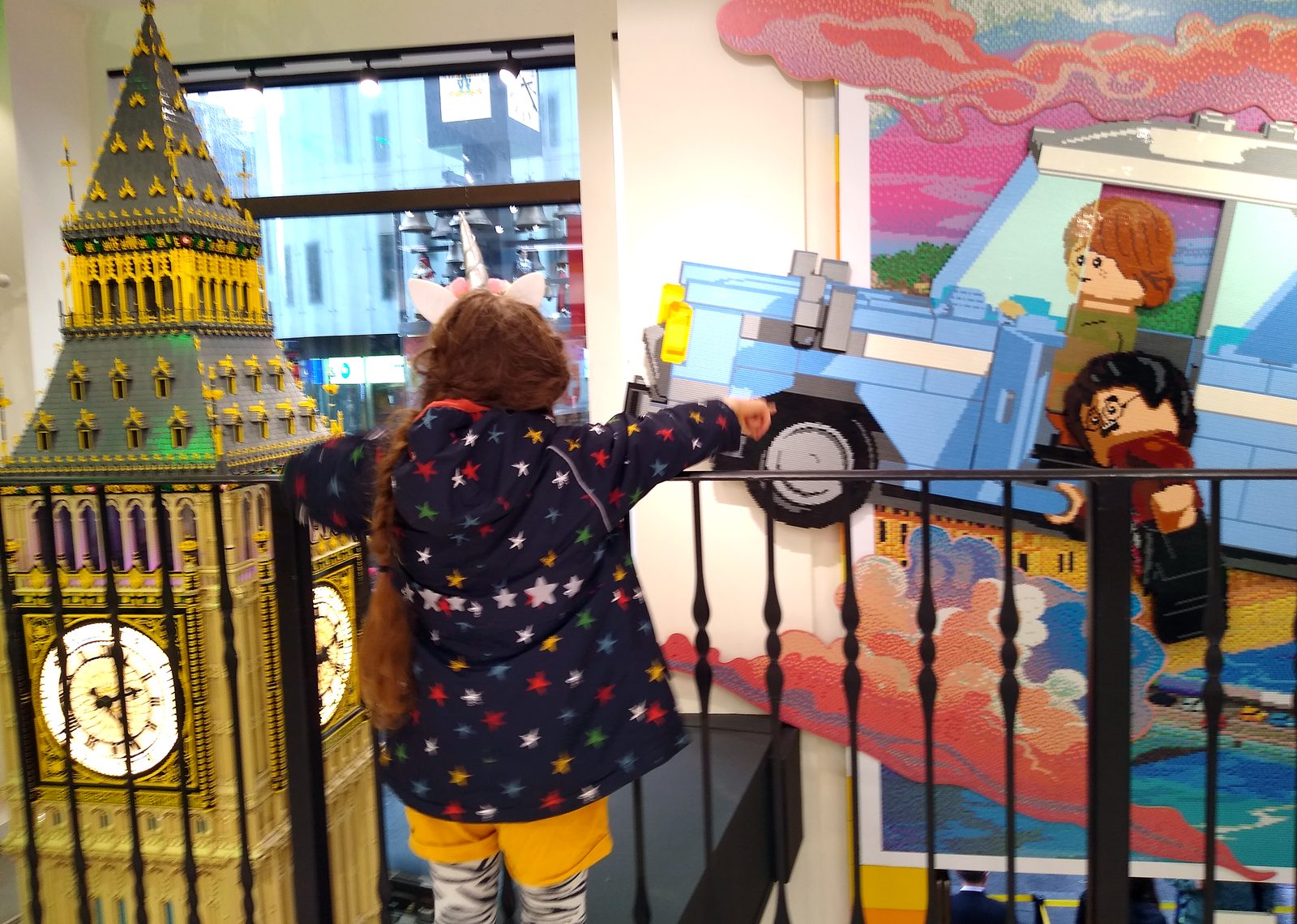
A day looking at the huge models together is its own kind of gift. It feeds the wish to build, without having to come home with another licensed set. If there is a LEGO Store near you, it is well worth a visit to see those big models in person. You can find the nearest shop on their official store finder.

A wooden Grimm’s rainbow
If you want one beautiful, heirloom toy, a large wooden rainbow in the Grimm’s tradition is hard to beat. The arches become tunnels, cradles, fences, landscapes, and quiet sorting play. The Grimm’s Large 12-Piece Rainbow in natural wood is finished with plant-based oil and made from FSC certified wood, which fits the way I like materials to feel in the house. These listings are often sold by third-party shops, so please look carefully at the seller, the delivery date, and whether you are buying a genuine Grimm’s piece. A good specialist toy shop is sometimes the calmer route, and that is perfectly fine.

A real beginner sewing machine
This is a tool, not a toy, and that is why I love it as a big gift. The Brother XM2701 sewing machine is a straightforward beginner machine with a good range of stitches, a built-in needle threader, and a free arm for sleeves and cuffs. An older child can learn to mend, to make simple bags, to sew gifts of their own. You will want to sit with them at the start, which is part of the present. Learning together is the gift hiding inside the machine.
A proper weaving loom
If you have a child who loves colour, texture, and making useful things with their hands, a real loom is a wonderful investment. The Schacht Cricket 15 inch rigid heddle loom is compact, sturdy, and comes with the extras you need to begin: a reed, a threading hook, shuttles, and yarn. It is used by beginners and by people who keep weaving for years. Scarves, small blankets, wall hangings: the work is slow in the best way, and the finished piece is something you can actually use.
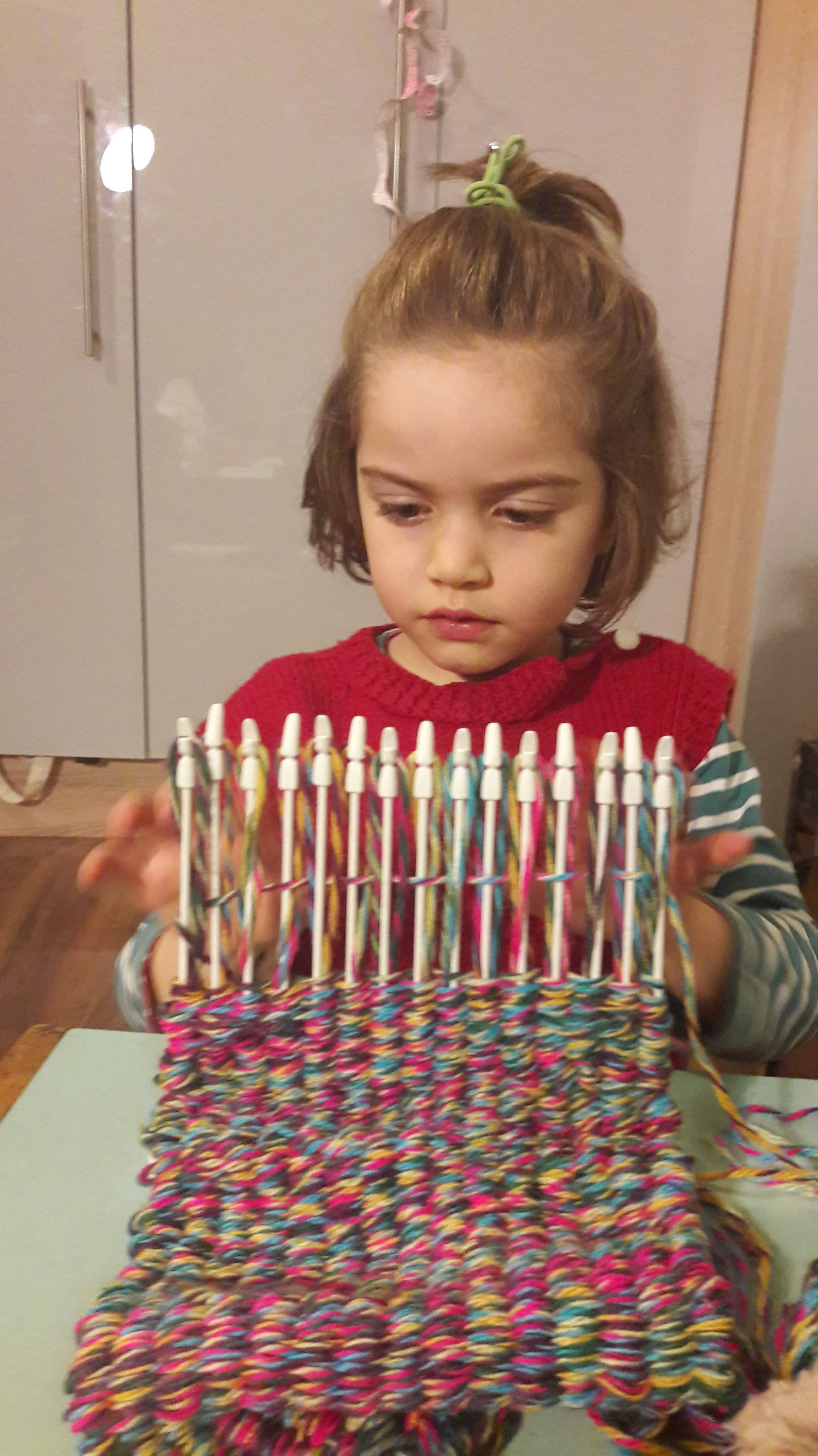
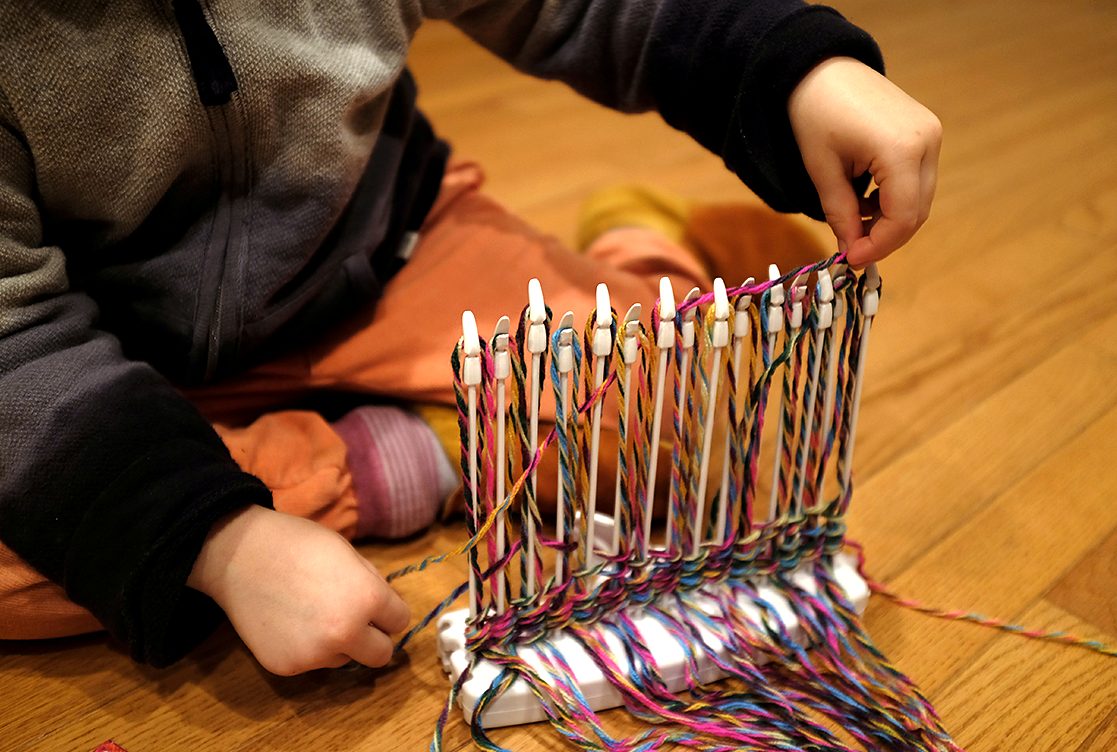
Weaving has been part of our home for years, starting with a smaller looping loom that is easy to pick up and put down. The Cricket is a step up from that: a real rigid heddle loom for larger, longer projects.

A camera, or the start of a stop motion studio
I taught film-making and animation for almost 10 years, so I will always make a case for a camera that a child can hold themselves. A first camera is not about more screen time. It is about looking carefully, choosing a frame, and making something you can hold or share. I have a full guide to the best cameras for younger children, and plenty of photo activities for kids big and small. If you want a game-free, naturally minded option, take a look at the kiimento kids digital camera (formerly Kidamento). Pair it with clay, paper, or wooden figures and you have the beginnings of a stop motion studio at the kitchen table. Dedicated animation kits come and go in stock, so I would rather start with a camera they can use every day.

A large set of Magna-Tiles
If you want an even bigger magnetic building set, the MAGNA-TILES Classic 100-Piece Set is a generous, well loved classic. It is made of clear, colourful geometric tiles that click into houses, towers, and pattern windows on the floor. Like Magformers, it is open-ended and works for more than one age at once, which is exactly the kind of “one big present” I would rather give than a pile of smaller toys. It is worth checking the live listing close to Christmas, as these sets get busy.
A wooden marble run
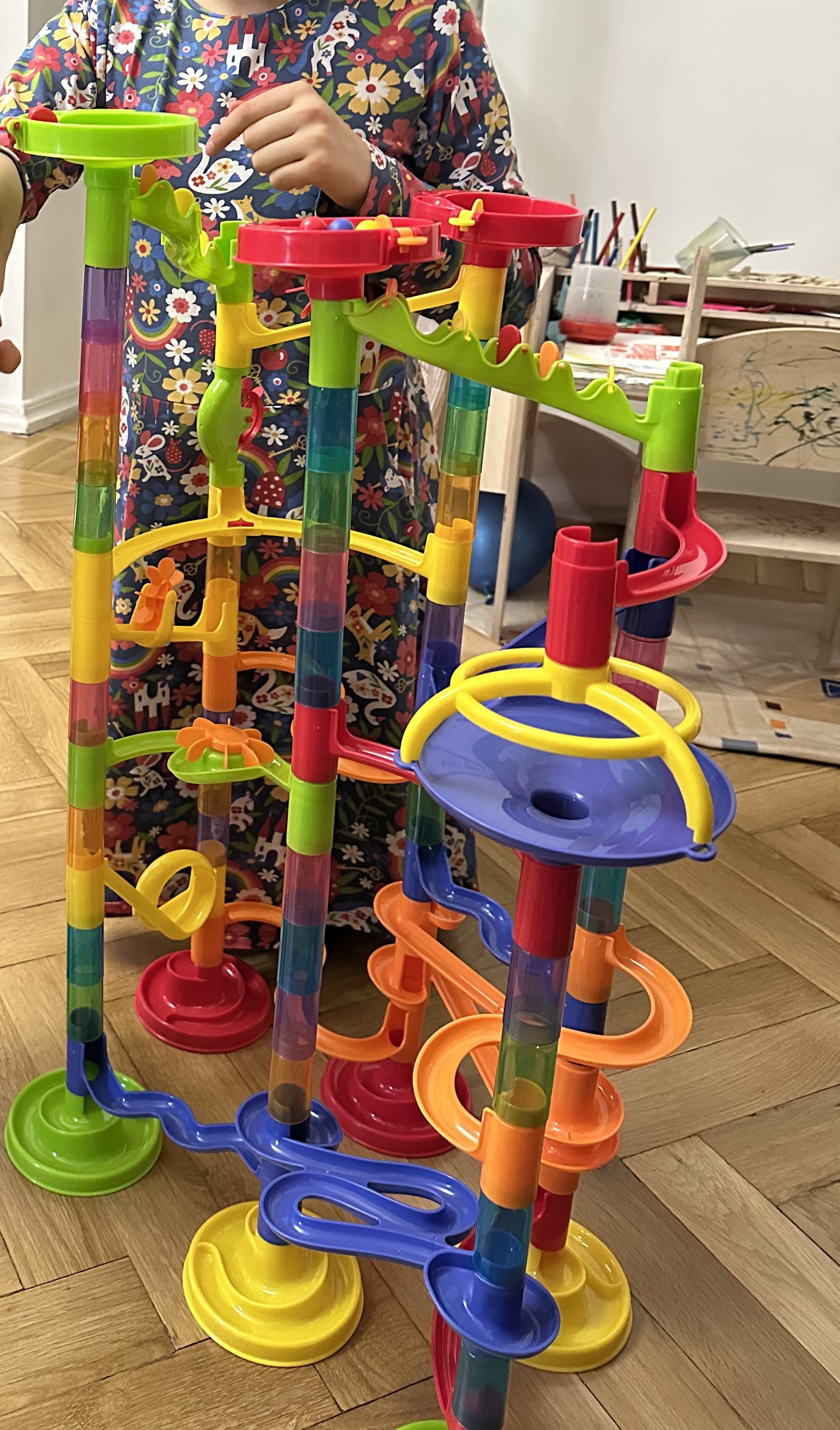
The photo above is of a plastic marble run. We were travelling and couldn’t find a wooden one, unfortunately, but I recommend the wooden ones linked here. A good marble run is great for mixed age play: part building, part science, and part quiet delight. The Hape Quadrilla Vertigo wooden marble run is a large set with twisting funnels, rails, and accelerators, made from wood and finished with child-safe paints. Children plan a path, test it, change it, and try again. It is the kind of play that fills a rainy afternoon, and the pieces can be combined with other Quadrilla sets later.

A wooden play kitchen
Pretend play is serious work in a child’s life. A sturdy wooden kitchen can last through more than one child, and it becomes a place for cooking, serving, and making up stories together. The KidKraft Ultimate Corner wooden play kitchen is a large, detailed set that tucks into a corner, with doors that open, knobs that turn, and plenty of storage. It does have lights and sounds on the burners and water dispenser, which some families love and some would rather do without. If you prefer a quieter kitchen with no electronics, the Hape Gourmet wooden play kitchen is a simpler, compact choice, with clicking knobs, a sink, a stove, and an oven window, made from wood and non-toxic water-based paint.
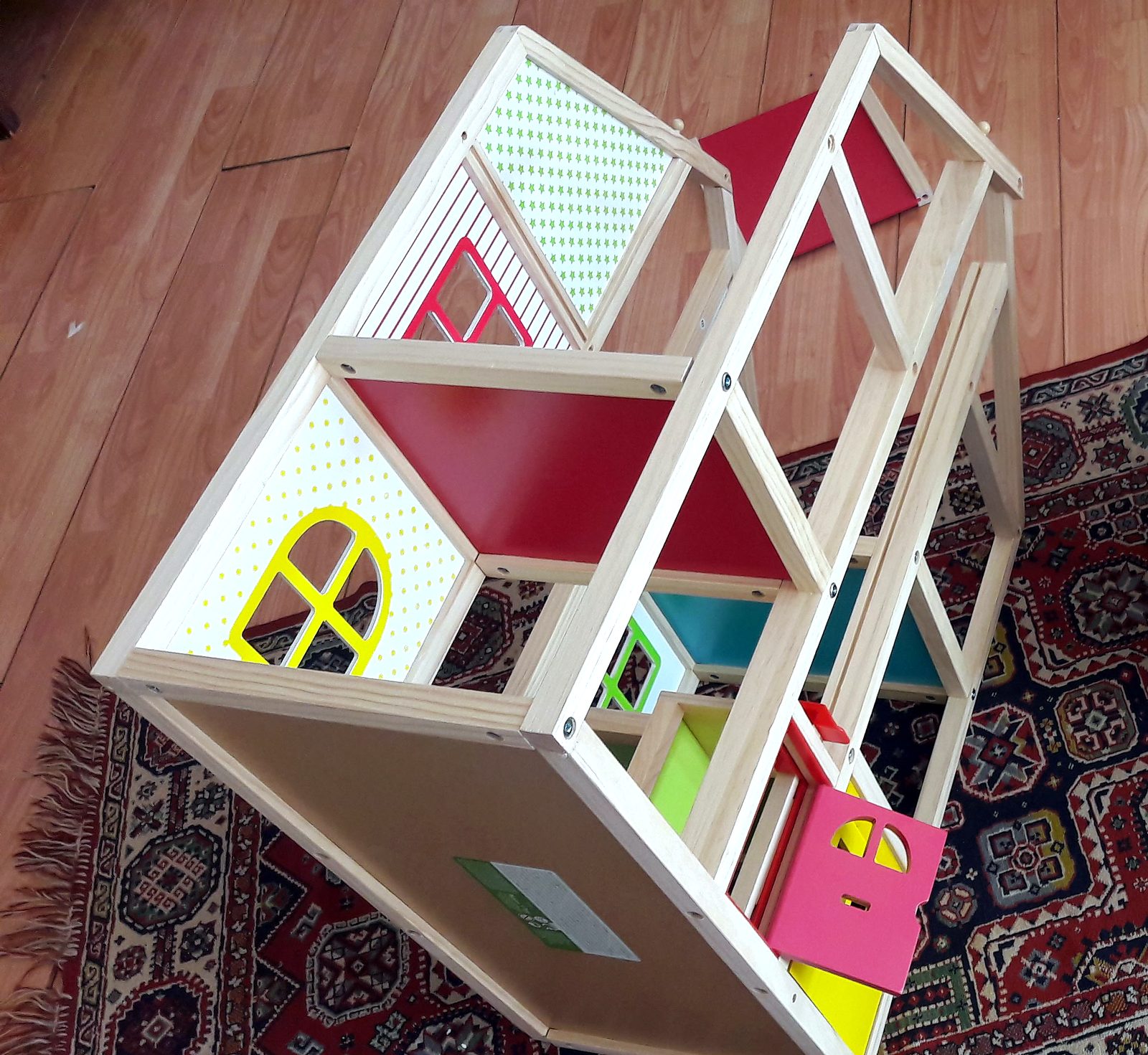
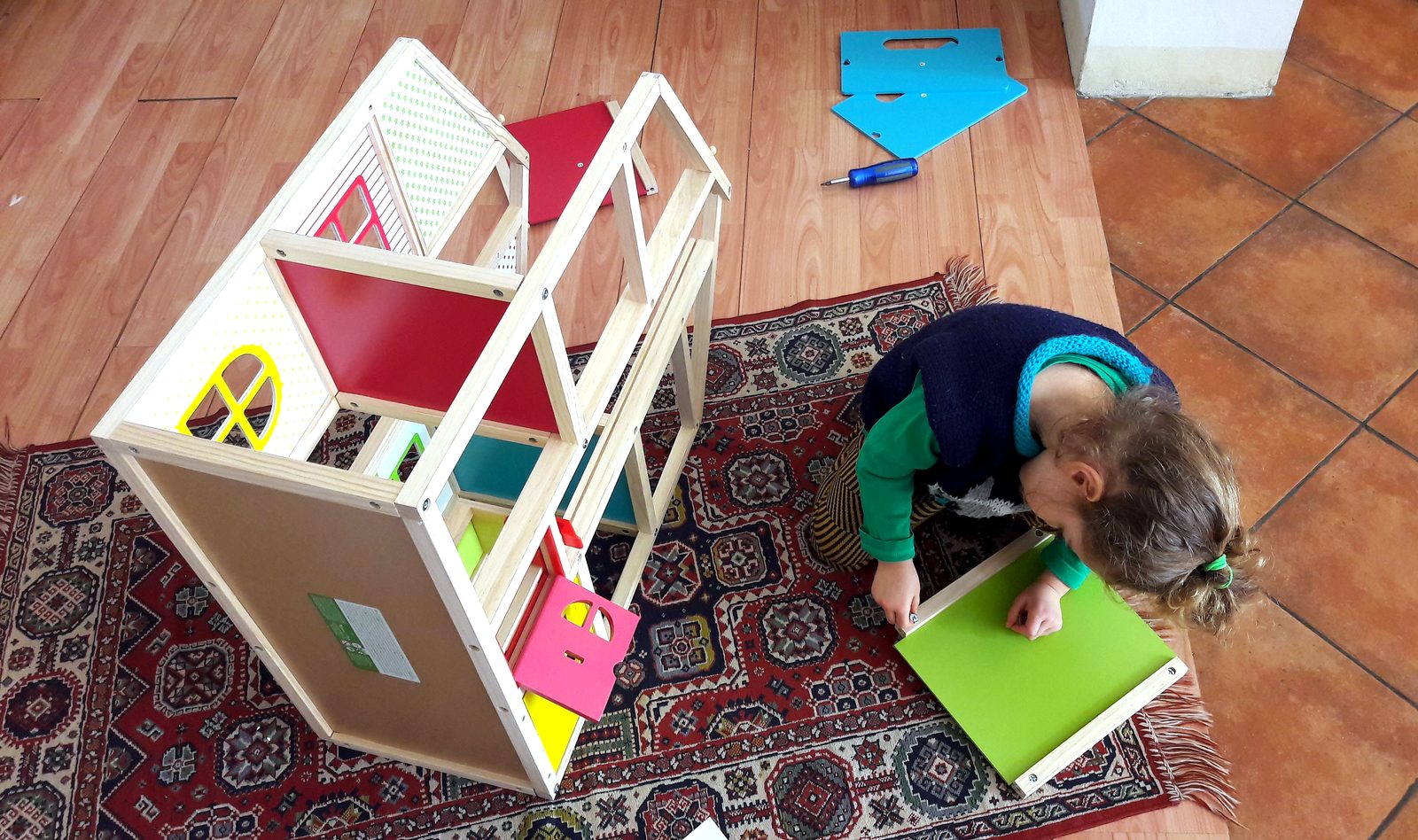
A wooden dollhouse
This is one we have actually lived with. My daughter and I built the Melissa & Doug Hi-Rise wooden dollhouse together, and it has stayed in play for years. It is open on the sides, with six rooms, a little garage, and an elevator that children love to send up and down. The colours are fresh and simple, and the frame is real wood. Pretend play is serious work, and a house like this gives it a lasting home. It is also the kind of gift that can be used by more than one child, or passed along later.
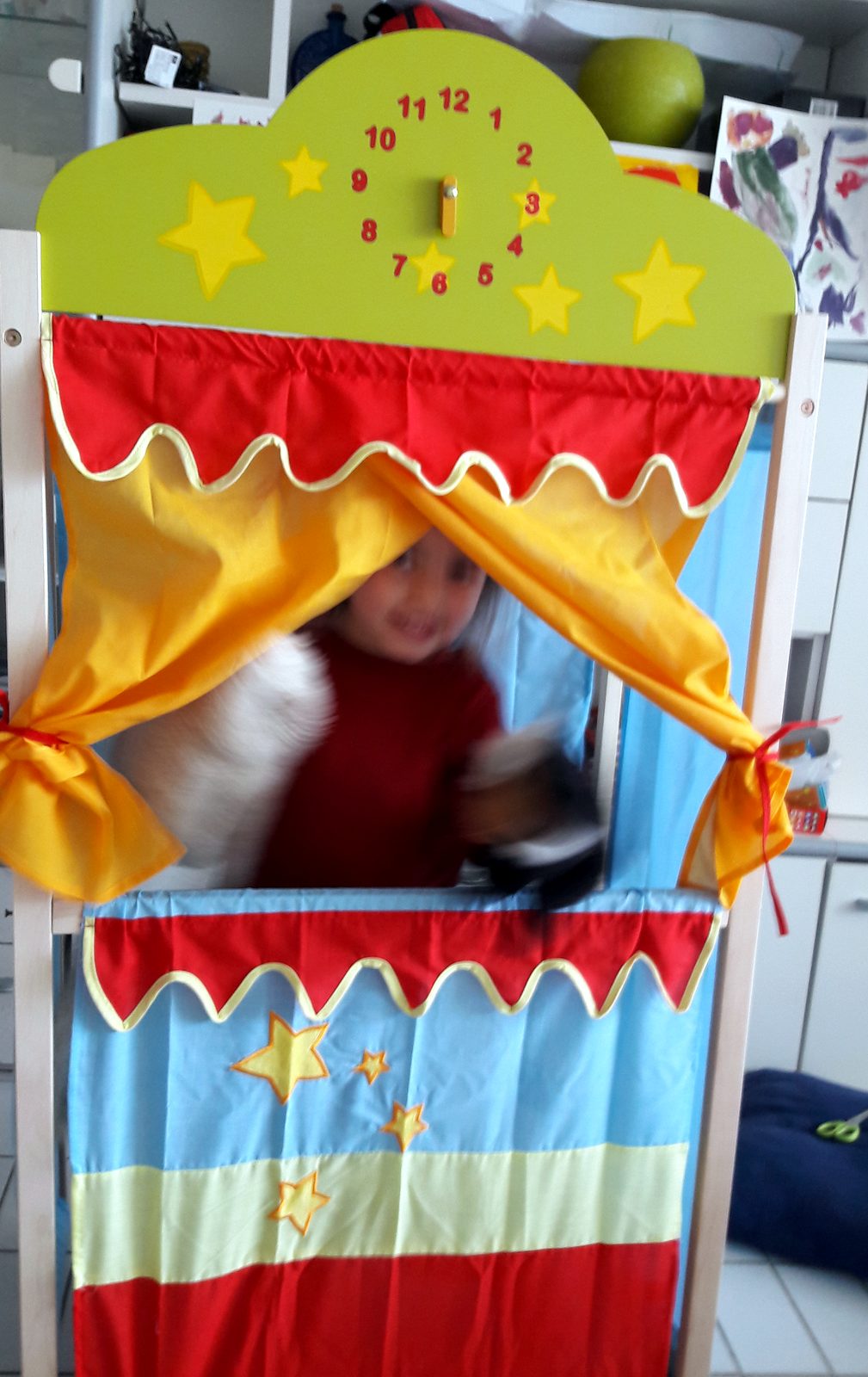
Pretend play in our house has also included a wooden puppet theatre. The Melissa & Doug Deluxe wooden puppet theatre is a sturdy standing stage with plush curtains, a clock, and a chalkboard, and there is room inside for a child to put on a real show.
And long afternoons of small world play on the rug, with little houses, animals, and stories that go on for hours.
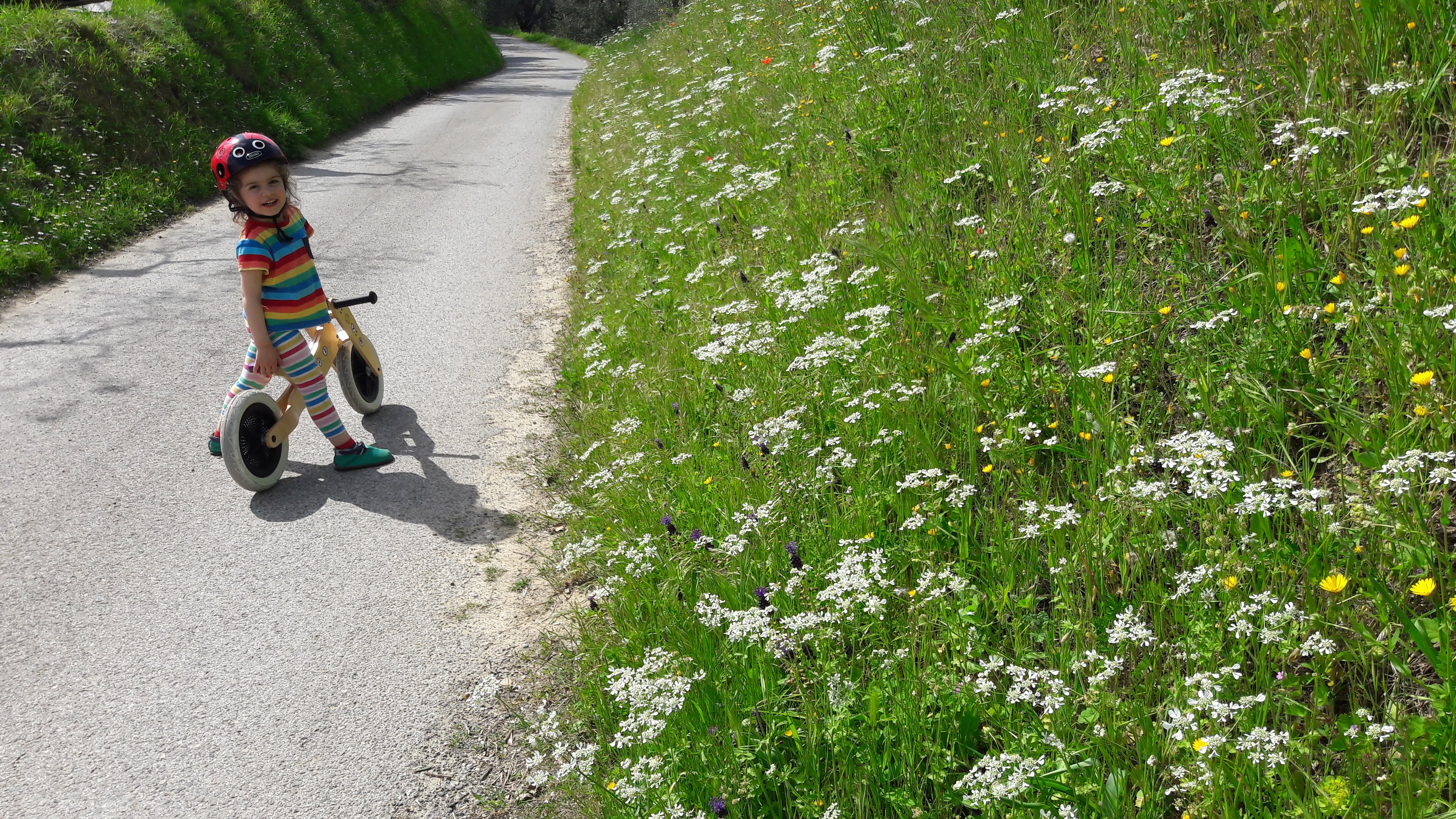
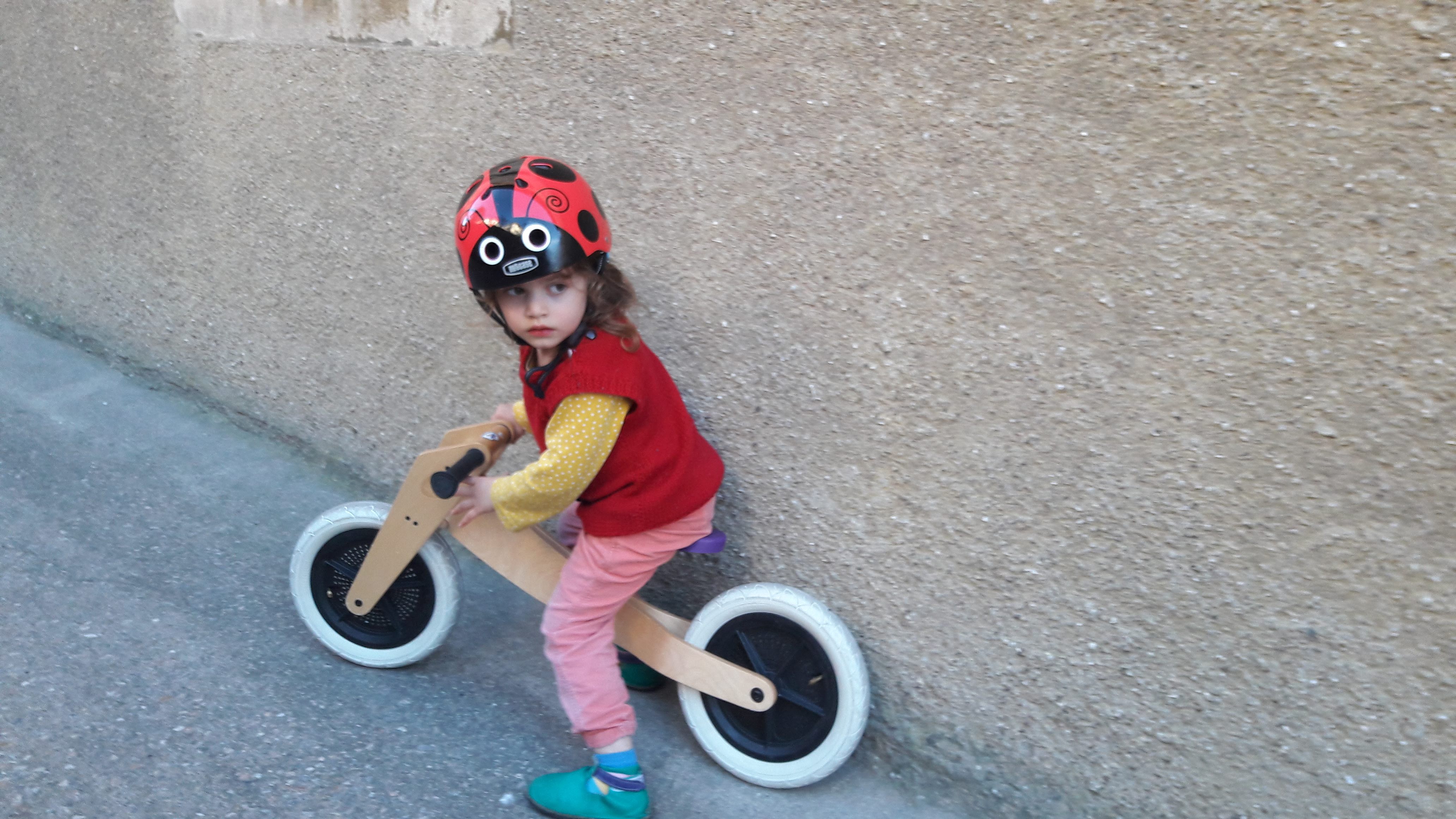
A balance bike
If I had to pick one big outdoor gift that actually builds a skill, it would be a balance bike. Children learn to balance first, without pedals, and that confidence carries them later when they are ready for a pedal bike. The Strider 12 Sport balance bike is a well known, lightweight starter bike with adjustable seat and handlebars, and tires that do not go flat. It is a gift you use outside, in all kinds of weather, and it fits the same spirit as the advice in Everything You Need to Know About Your Child’s First Pedal Bike: start simple, let them practise, and give them time.

A first ukulele
Music is a real skill, and a proper instrument is a very different gift from a toy that only makes a noise. The Kala KA-15S mahogany soprano ukulele is a well loved beginner instrument: small enough for a child’s hands, with a warm mahogany body and a satin finish. Children can learn a few chords quite quickly, and then they have something they can actually play, alone or with the family. It is the kind of gift that can last for years, and it belongs in the same company as a first sewing machine or a first loom: a tool you grow into.
MIDSIZE GIFTS THAT KEEP GIVING
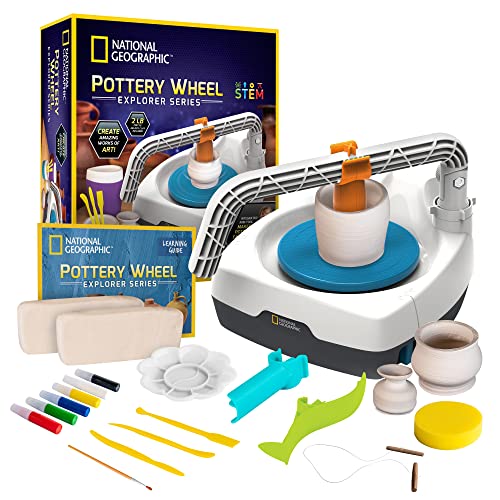
A kids’ pottery wheel
There is something almost magical about watching a lump of clay rise into a bowl. The National Geographic pottery wheel for kids is a complete beginner kit, with a two-speed electric wheel, air-dry clay, tools, paints, and an apron. No kiln is needed. It is messy, in the best possible way, and it teaches patience, touch, and pride in a finished object. If you already have an art corner at home, this slots in beautifully. I wrote about setting one up in How to Set up an Art Studio Space for Kids.
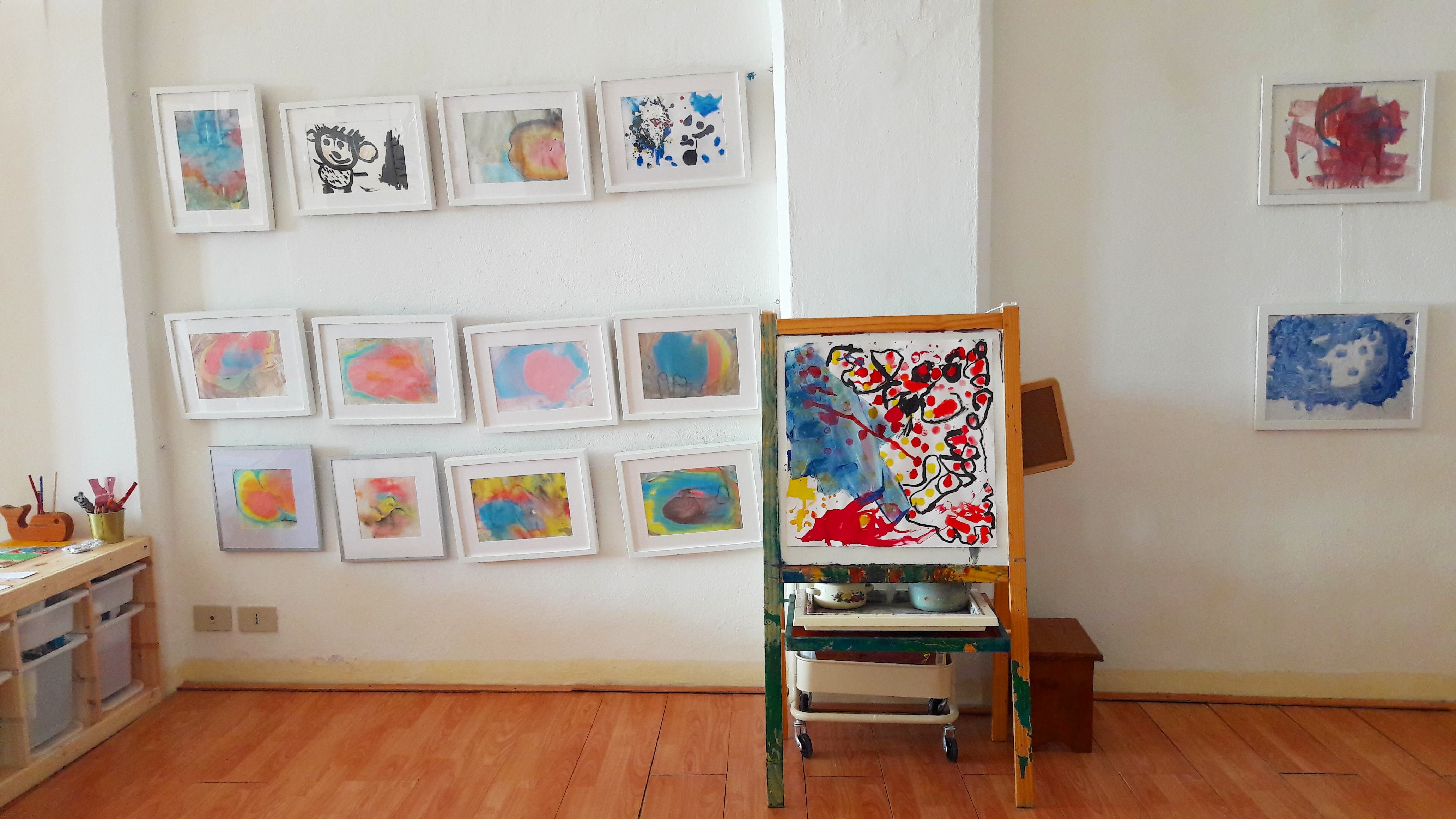
A wooden easel, ready for everyday making
The photo above is of a standing easel in the studio, and that is still the one I dream of for a child who paints often. The popular wooden ones do sell out, but the Melissa & Doug Deluxe double-sided standing art easel is a sturdy wooden one, with a chalkboard on one side, a dry-erase board on the other, a paper roll, and trays for paints and brushes. It adjusts in height and folds flat for storage, so two children can work at once, or one child can really settle in.
If a standing easel feels like too much for the room, a good tabletop easel still gives a child a dedicated place to work, which matters more than we think. The Melissa & Doug magnetic tabletop easel has a chalkboard on one side, a dry-erase board on the other, a paper roll, chalk, and magnetic letters. It folds flat, so it does not have to take over the room. Stock it with the kind of materials I talk about in SAFE Art-making: Non-toxic, Natural & Organic Art Supplies for Kids, and you have a small studio on the table.
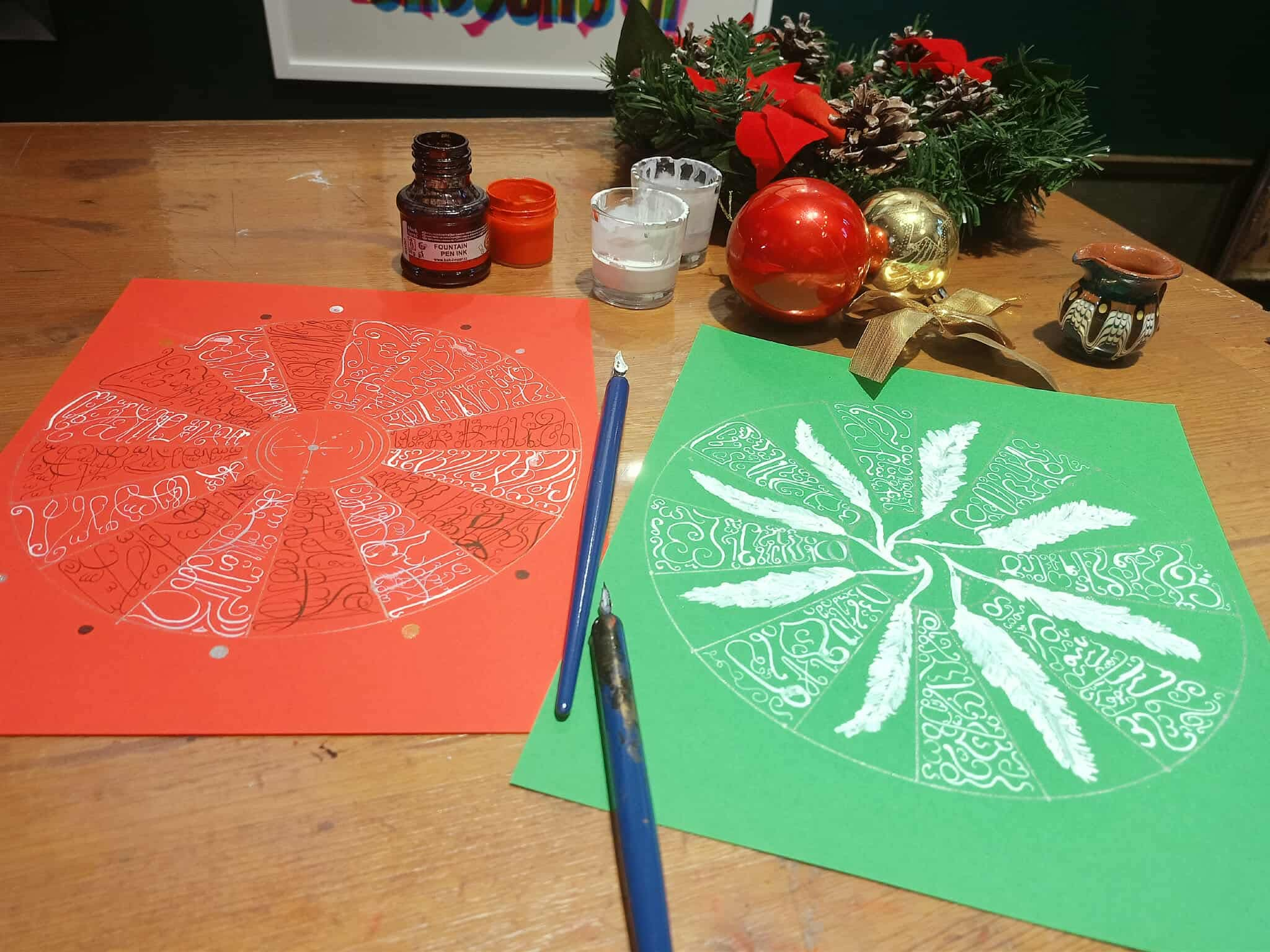
A calligraphy starter set
Calligraphy is quiet, physical, and wonderfully absorbing. My daughter has spent long stretches at the table with a nib, ink, and a piece of paper, and I love watching the concentration it asks of her. The Speedball Basic Calligraphy Set is a simple, classic way to begin: a holder, four C-style nibs, and two pointed nibs. You will want to add a bottle of ink and some smooth paper, because those are not in the box. It is not a huge gift, and that is part of its charm. The skill is the present.

A nature journaling bundle
If I could put “looking closely” under the tree, I would. A nature journal comes close. Pair a simple hardcover sketchbook and a small watercolor set with How to Teach Nature Journaling by John Muir Laws and Emilie Lygren. It is written for teachers and parents, and it is full of ways to get outside, notice more, and draw without worrying about making a perfect picture. This is a gift that works in winter as well as spring: a pine cone on the table, a walk after rain, a window bird. It also sits nicely beside our family’s screen-free habits.
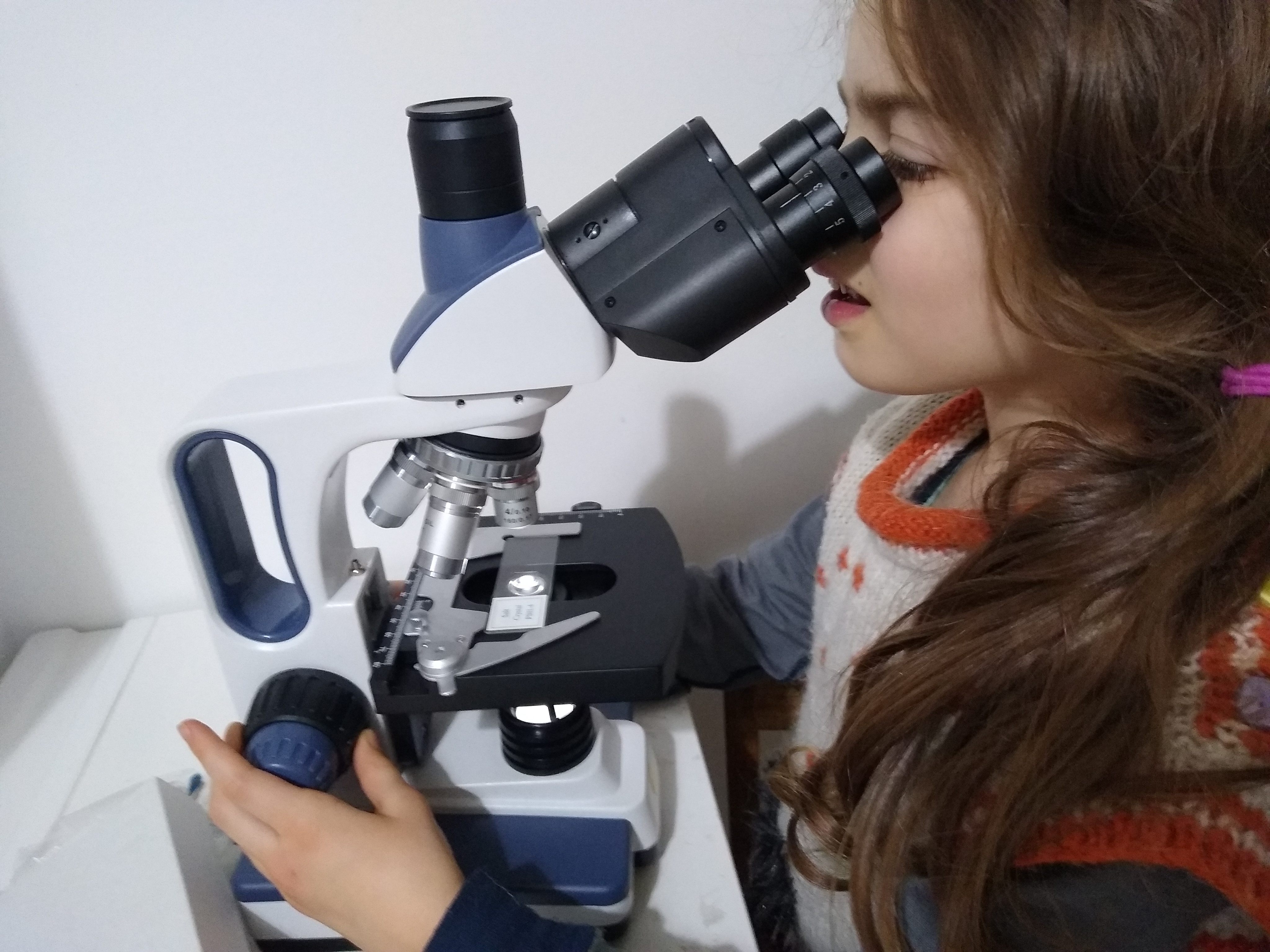
A microscope for looking closely
The photo above is of the microscope we use at home now: a real binocular compound microscope, with glass objectives, a mechanical stage, and enough magnification to see the walls of a plant cell. If you have an older child who is already curious, that is the kind of instrument I would look for.
There are really two good gifts here, and they are not the same thing.
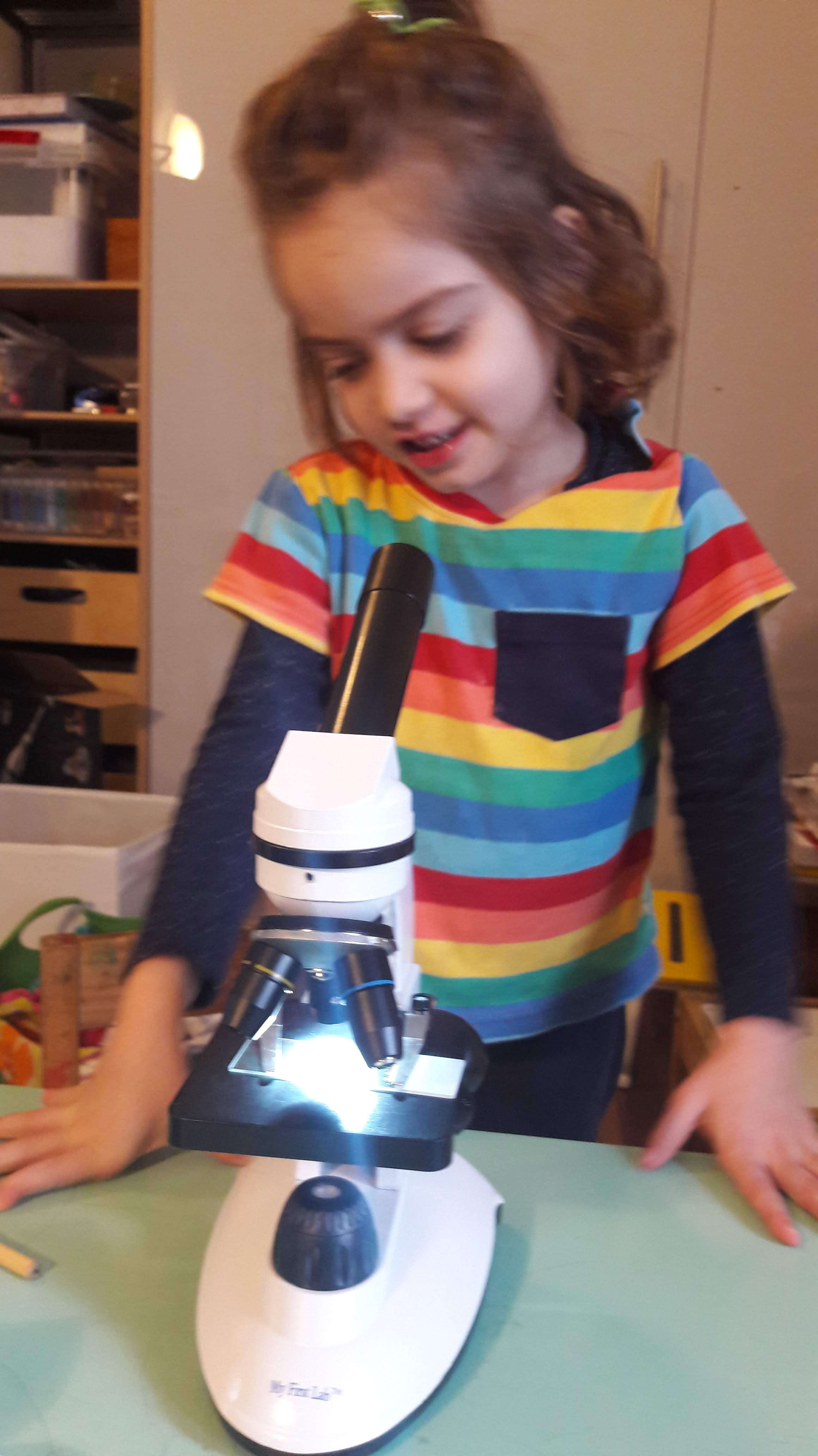
A kids’ microscope is a wonderful way to begin. When she was smaller, we started with a simple beginner microscope, like the one below. The National Geographic Dual LED microscope science kit is a complete starter kit I would choose now. It has glass lenses, lights above and below so you can look at a slide or at a small object, prepared slides, and blank ones for a leaf or a feather from a walk. The magnification is 20x and 50x, which is plenty for first discoveries, and it is made for children who are just learning to sit and look. It costs much less, and it does not ask as much of a child’s hands or patience.
A serious compound microscope is a different gift. The Swift SW380B binocular compound microscope is in the same class as ours: binocular eyepieces, glass achromatic objectives, an LED light from below, and a mechanical stage you can move with precision. The useful magnifications are 40x, 100x, and 400x, and there is 1000x as well if you are ready for oil immersion. Listings often mention 2500x; I would treat that as a stretch, rather than the range you will use every day. This is a tool for an older child, or for the whole family, and it is the kind of present a grandparent might give. You will want to sit with them at the start, which is part of the gift. It is a bigger investment, but it is the one they can grow into for years.

The difference, in short, is this. The kids’ kit has lower magnification, a simpler optical system, lights for both slides and small objects, and a plain stage. The compound microscope has a much wider magnification range, finer glass optics and focus, a moving stage, and light from below for thin specimens. One is for beginning. The other is for really looking.

This is the kind of view a stronger microscope can give you: the tiny architecture of a plant, as clear as a little window.
SMALLER GIFTS WITH A LOT OF HEART

A classic potholder loom
If a full loom feels like too much, start smaller. The Harrisville Designs Friendly Loom potholder kit is a sturdy metal loom, made in the USA, with cotton loops to weave two real potholders. It is old-fashioned in the best sense. Children learn a basic weave, make something useful, and feel the satisfaction of giving a handmade gift of their own. Extra loops are sold separately, so the play does not have to end after the first two.
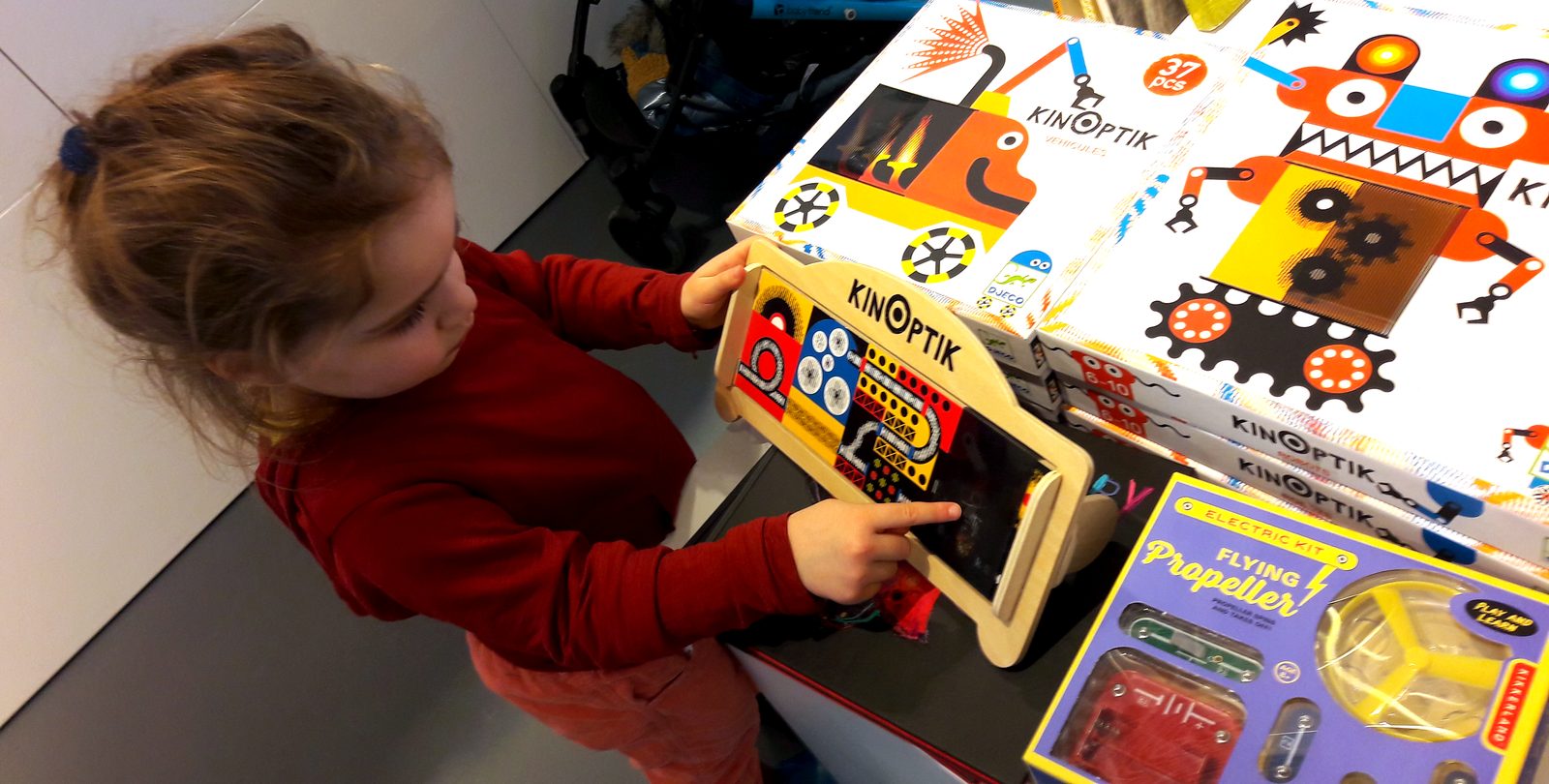
Another favourite in our house is Djeco Kinoptik. You build a picture on a board with magnetic pieces, then slide a special lens across it and the whole scene appears to move. It is clever, beautiful, and surprisingly absorbing, and my daughter has come back to it again and again. Amazon listings are often out of stock, so I would look for it at a good toy shop, or wait until it is available again, rather than paying too much for a leftover box.
A beautiful sketchbook, a tin of natural crayons, a favorite book, or a few excellent brushes also make strong smaller gifts. For art materials I still trust the suggestions in my safe art supplies post, and I would rather buy one good thing than a huge kit of weak colours that no one wants to use.
GIFTS THAT ARE NOT THINGS
Some of the best presents never arrive in a box, and they can still feel generous.
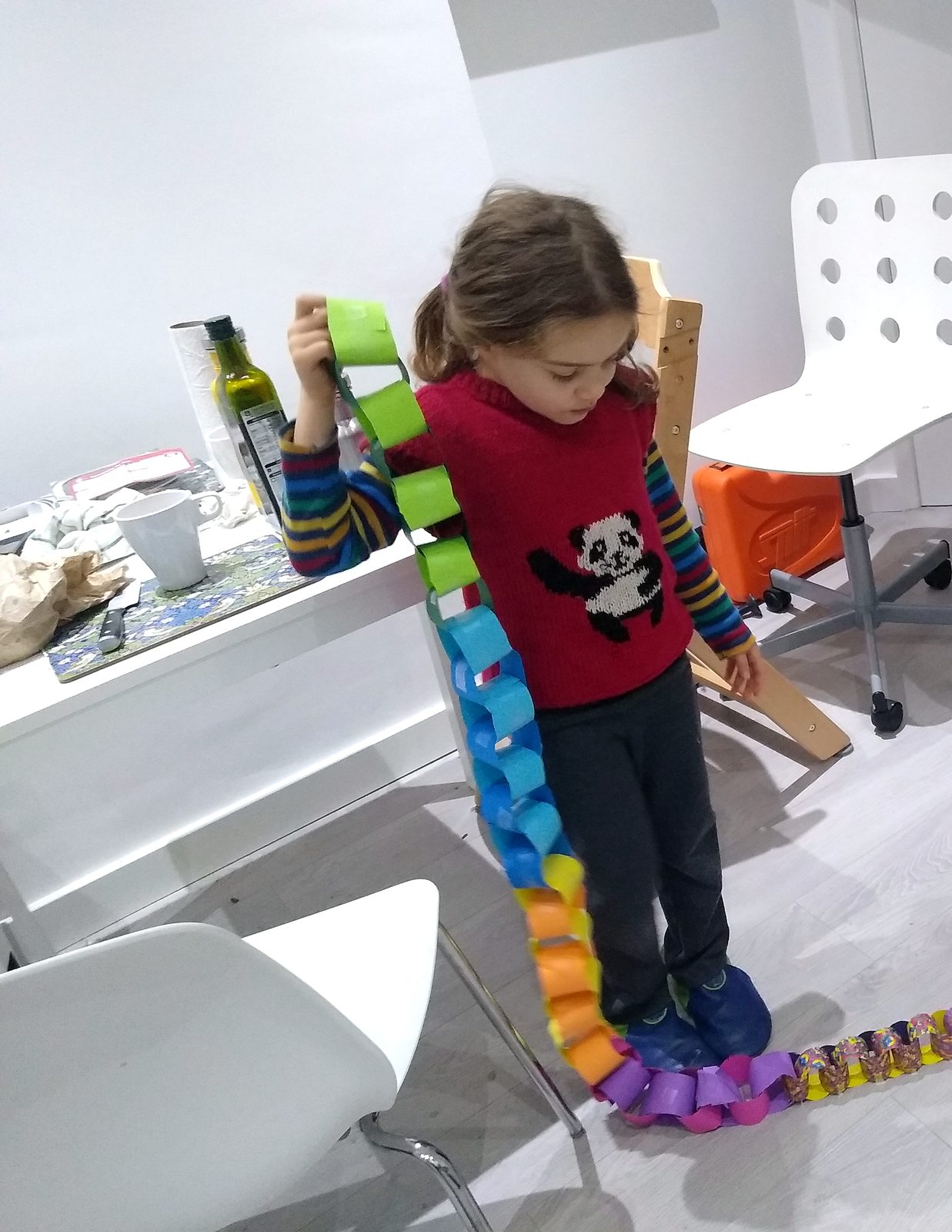
An afternoon of making together can be one of those presents. A long paper chain, a table full of decorations, an art project that stays out: the gift is the time.
A museum or class membership is my favourite non-Amazon idea. A year’s entry to a children’s museum, an art museum, or a science centre, or a term of a pottery, woodworking, dance, or art class, gives a child experiences instead of clutter. Wrap a handmade voucher, a map, or a first ticket, and let the year itself be the gift.
A craft subscription box sits somewhere between an object and an experience. A new project arriving each month can be a lovely rhythm, especially in the long midwinter stretch. I like the idea of choosing a box that matches the child’s age and interests rather than a generic toy club. KiwiCo is one well-known option, with crates for different ages, from early making to more serious tinkering. You subscribe on their site, and you can start with a shorter plan if you want to see how it lands in your house.

A FEW QUESTIONS YOU MIGHT HAVE
Are the expensive gifts really worth it? Sometimes, yes, if you choose something that will be used for years. A sewing machine, a loom, a well-made wooden set, or a generous box of building pieces can replace a whole cupboard of lesser toys. If it will only be used once, I would rather spend less, or spend on a class instead.
What if I do not want more plastic in the house? Look first at the Grimm’s rainbow, the wooden marble run, the wooden play kitchen, the wooden dollhouse, the Cricket loom, the potholder loom, the nature journal, a class, or a museum membership. The sewing machine, the pottery wheel, and a balance bike are tools, which I think of differently from disposable toys. When I do suggest plastic, I try to choose the kind that stays in play for a long time, like Magformers, Magna-Tiles, or a classic LEGO brick box.
What age are these for? There is no single age for this list, and I have avoided pinning gifts to a narrow range on purpose. A wooden rainbow, an easel, a play kitchen, a dollhouse, and a balance bike can start early. A pottery wheel, a camera, a marble run, a first microscope, calligraphy, and a potholder loom often suit children who are ready to sit and try. A sewing machine, a Cricket loom, or a real compound microscope is a better fit for an older child, with an adult beside them at the beginning. A first ukulele can start when a child is ready to practise a little each day. You know your child. Choose the material, then let them grow into it.
When should I order for Christmas? Soon, especially for the bigger items and for anything sold by a third-party shop. Check the delivery date on the page, not just whether the item is marked in stock. A membership or a class voucher has the pleasant advantage of being ready whenever you are.
I would love to know what has lasted in your home. What gift did your child actually keep using, a year later? If you have found a beautiful tool or a kit you think I should add, let me know and I will take a look.
Thank you for reading. With warmth and gratitude, Nino

